Oldway Mansion · Paignton

A History of
Oldway Mansion

From an American industrialist's grand vision to a community-led restoration — over 150 years of remarkable history.

c.1870 – 2013

Origins & Mansion History

From a Singer family dream to a celebrated community landmark.

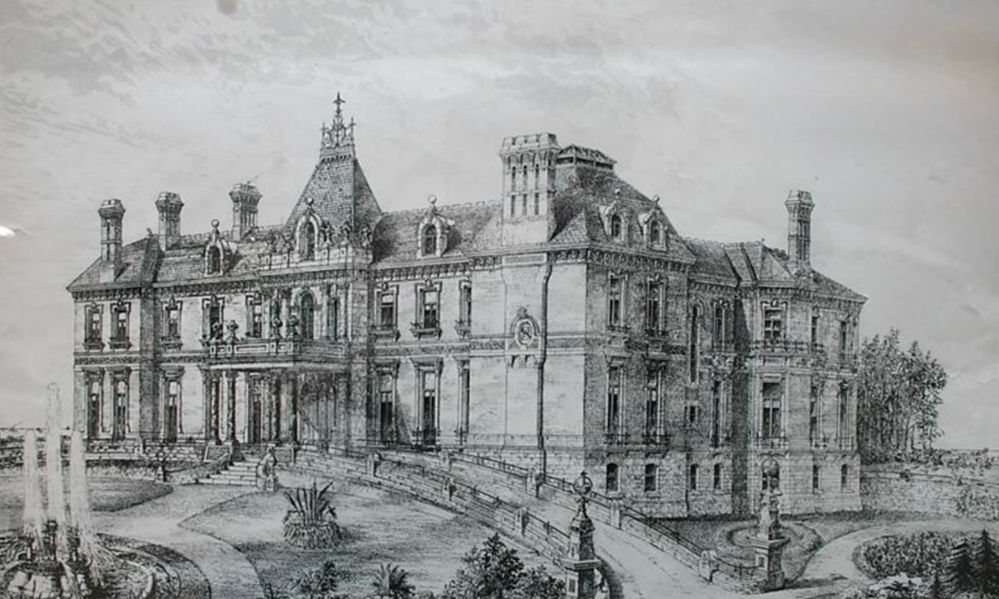
Architectural drawing of Oldway Mansion, c.1875
Original architectural drawing of Oldway Mansion, c.1875
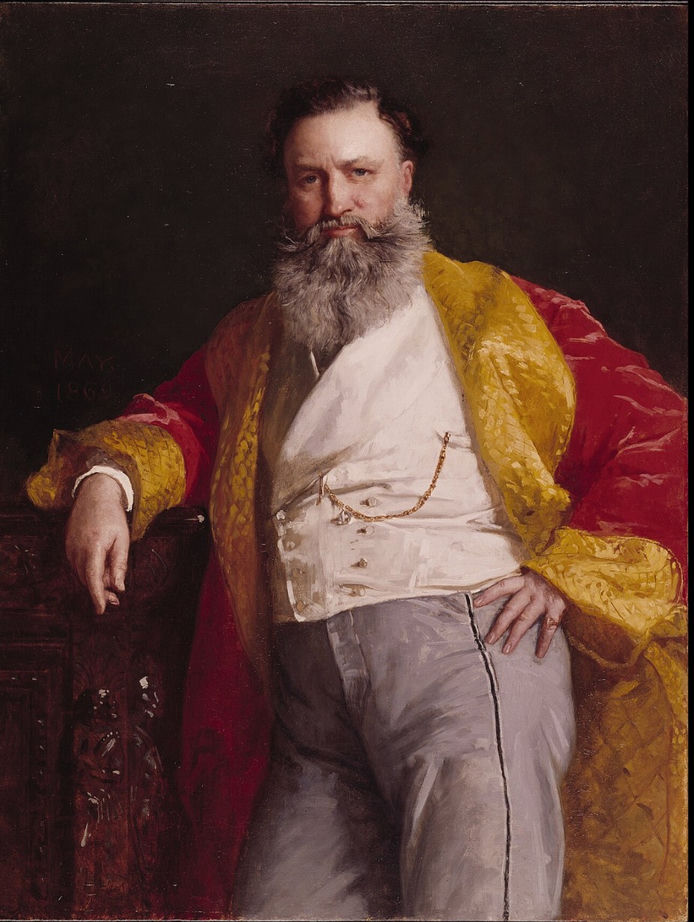
Portrait of Isaac Merritt Singer
Isaac Merritt Singer — sewing-machine magnate and founder of the estate

The estate was originally part of the Fernham estate in Paignton. In 1870–71 the American industrialist and sewing-machine magnate Isaac Merritt Singer bought the land to build a grand new residence. Local architect George Soudon Bridgman designed the mansion, which was completed around 1875, shortly after Singer's death.

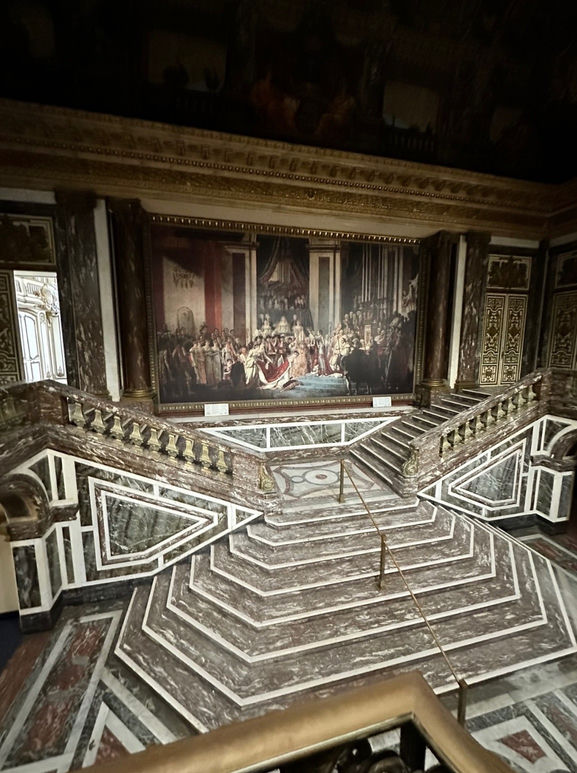
Singer's son, Paris Singer, later remodelled and extended the house between 1904 and 1907 in an opulent style inspired by the Palace of Versailles in France. This included lavish interiors such as a grand staircase and mirrored gallery modelled on the Hall of Mirrors.

The grand marble staircase inside Oldway Mansion
The magnificent marble staircase — modelled on Versailles
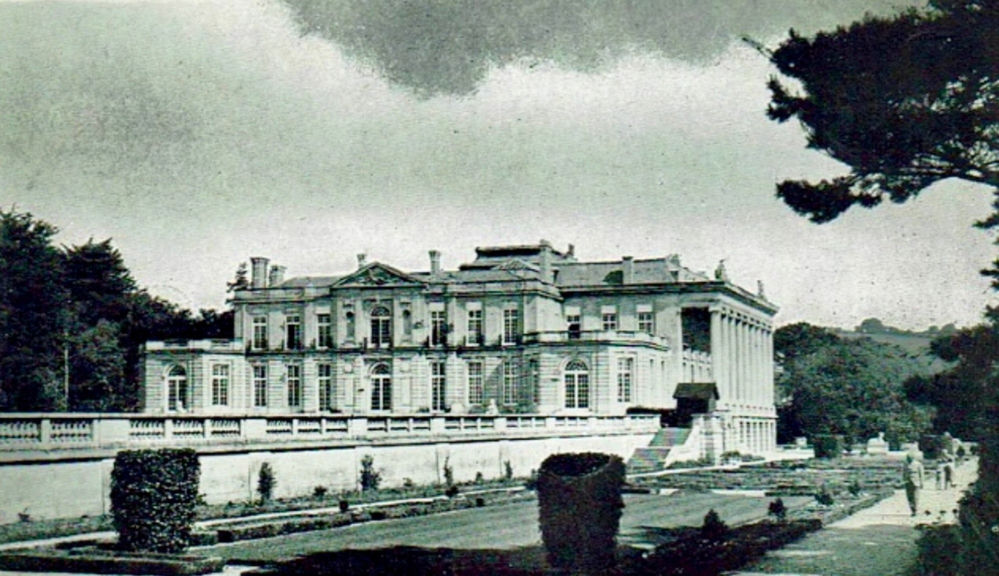
Oldway Mansion, early 20th century
Oldway Mansion and its formal gardens, early 20th century

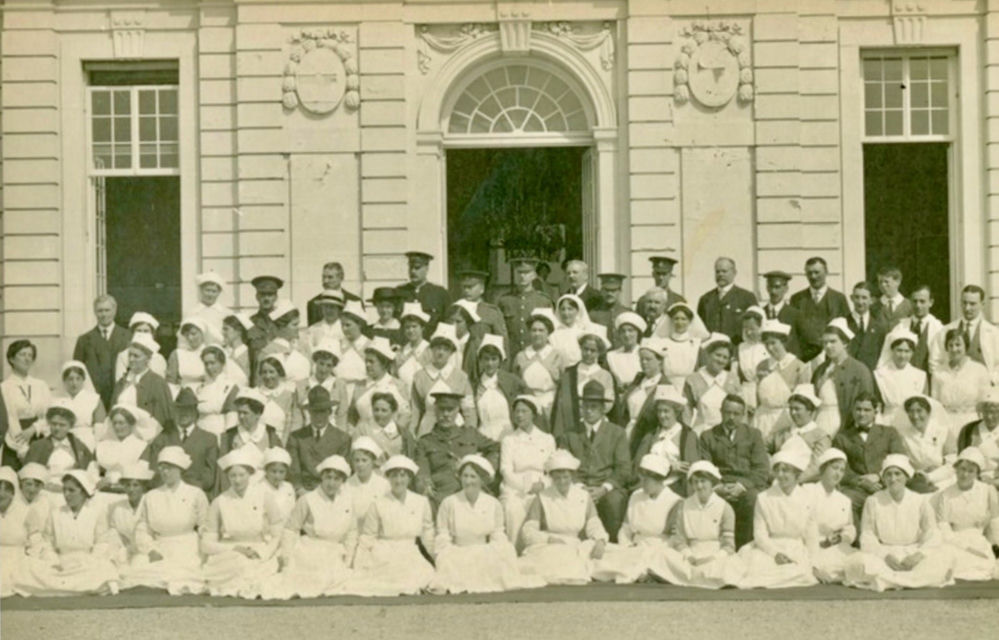
During World War I, the mansion served as the American Women's War Relief Hospital for wounded Allied soldiers. In the 1920s and 1930s it became a country and golf club, and during World War II it was used by the Royal Air Force.

In 1946, the Singer family sold the house to Paignton Urban District Council (later Torbay Council), and it was used as council offices and for civil ceremonies until 2013. Although now closed, there are ongoing plans and community efforts to restore and reuse the building.

Staff of the American Women's War Relief Hospital at Oldway Mansion, World War I
Staff and nurses of the American Women's War Relief Hospital at Oldway Mansion during World War I

c.1900 – Present

History of the Gardens

Seventeen acres of Italianate splendour — designed by a master of French landscape architecture.

The formal gardens and pleasure grounds surrounding Oldway Mansion were developed at the turn of the 20th century. Paris Singer commissioned French landscape architect Achille Duchêne to design them, largely between about 1900 and 1902.

Set out in a broadly Italianate theme, the 17 acre gardens feature parterres, ornamental flower beds, and exotic and subtropical plantings suited to Devon's mild climate. They also include a grotto garden with a waterfall feeding into a pond, scenic walks and terraces.

The rock garden was constructed between 1900 and 1902 by Devon landscaper F.W. Meyer using about 1,000 tonnes of local stone.

In 1946 Paignton Urban District Council bought the property, and the grounds were opened as a public park. In 2019 Torbay Council withdrew their maintenance and the gardens have since been looked after and enhanced by volunteers through the Oldway Gardens Volunteer Group, a community charity dedicated to maintaining and restoring the landscape.

The gardens are recognised for their historic significance and are Grade II listed on the National Register of Historic Parks and Gardens.

"Seventeen acres of Italianate gardens, designed by the celebrated Achille Duchêne — a living legacy of Paignton's grand past, now cared for by the community."

Oldway Gardens Volunteer Group

2013 – Present

Restoration of Oldway Mansion

A multi-phase, multi-million-pound effort to bring this historic treasure back to life.

Phase 1 Funding £9 million+
Listed Grade II*
Target Wind & watertight by 2027
Full Vision £50 million+

Torbay Council has now started a multi-phase restoration project to rescue and conserve the historic Oldway Mansion, which has been empty and deteriorating since it closed as council offices in 2013. The building was added to Historic England's Heritage at Risk register, reflecting the urgent need for intervention to protect the Grade II* listed structure.

Current Work

Extensive scaffolding has been erected around the mansion to enable safe access for detailed repair works and to protect historic fabric during construction.

The core focus of the first phase is to make the building wind- and watertight by repairing its many complex roof structures — there are around a dozen different roof types — with work expected to run through to at least late 2027.

Additionally, specialist teams are undertaking conservation work on key structural elements such as the West Tower's dormers and coverings following deterioration revealed in surveys. Inside the mansion, fragile historic features like marble staircases and decorative elements are being protected with boarding and temporary screens, and artefacts removed to secure storage.

Funding & Planning

Phase 1 works are being delivered with about £8 million of UK government funding and £1 million from Torbay Council, with future funding and private-sector partnerships expected to complete later phases. Alongside physical works, the council has developed a Masterplan and Conservation Management Strategy to guide longer-term restoration and future sustainable use of the estate.

Longer-Term Vision

The full restoration of the Mansion is anticipated to be a multi-year, multi-million-pound effort often cited at around £50 million+, involving phased conservation of the mansion, outbuildings and gardens, and eventual reuse for community events, weddings, visitor spaces and possibly other mixed uses.

The building remains closed to the public for safety, however the gardens continue to be maintained by the self-funding Oldway Garden Volunteers and are open for the community to enjoy.
Vertex Web By Oliver P Jones